
Maximize Your Travel Adventures with a Rental Vehicle
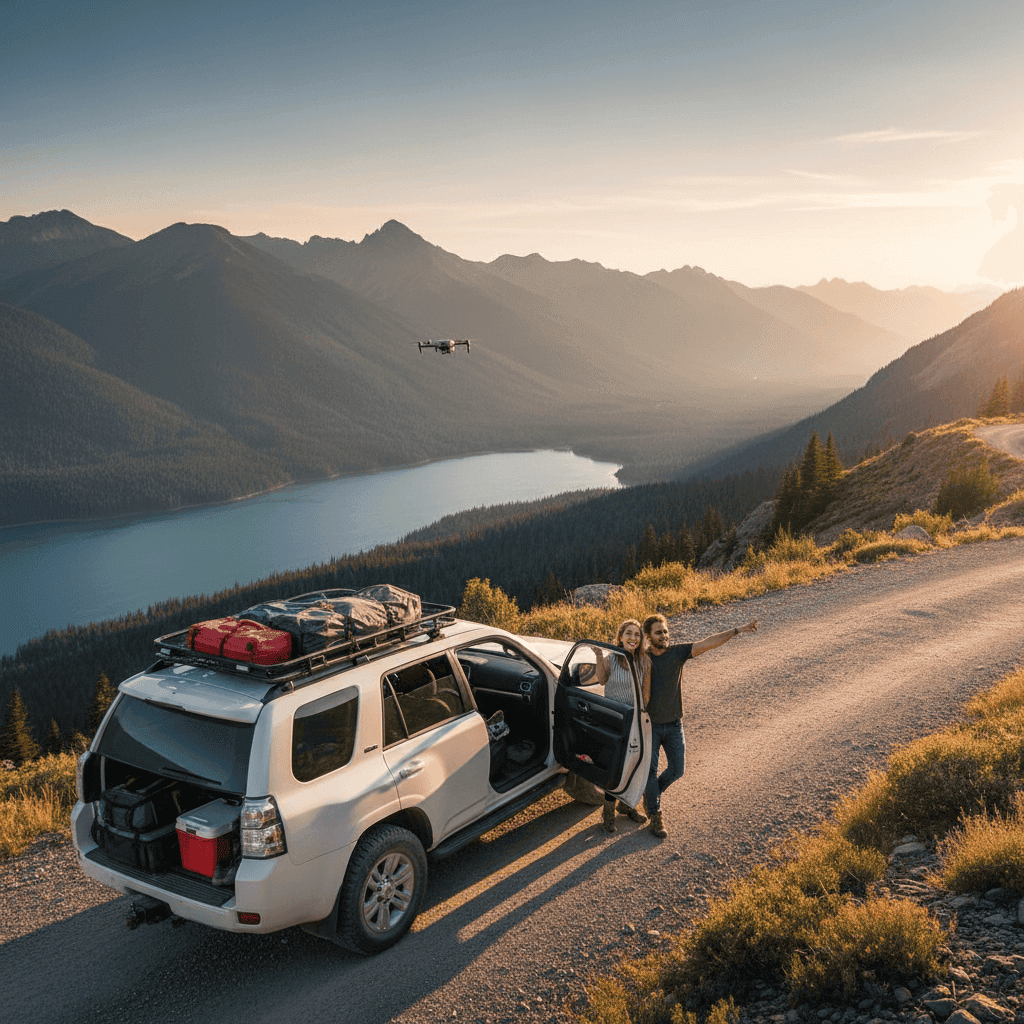
Taking control of your itinerary with a rental vehicle can change the way you travel. When you leave behind fixed schedules and public transport routes you gain time flexibility and a broader selection of places to visit. This piece lays out practical tips and concrete examples so you can plan trips that match your pace and interests.
Whether you are planning a weekend road trip with friends or a multiweek exploration with family, the right rental plan can make long drives comfortable, sightseeing simpler, and logistics easier. Read on for guidance on picking the right vehicle, saving money, handling insurance, and getting more from each mile.
Why a rental vehicle can expand your travel options
A rented car opens access to smaller towns and scenic routes that are hard to reach otherwise. It reduces time spent waiting for buses and trains and lets you stop when a view or local market catches your eye. For example a coastal drive where you stop at clifftop viewpoints and secluded beaches becomes practical with your own set of keys.
Beyond flexibility there are practical gains. You can carry gear for outdoor activities move at your own pace to manage jet lag and adjust plans if weather changes. For families with young children having a car simplifies snack times naps and luggage handling.
Comparing costs and value when renting
Price matters and rental costs vary widely depending on season pick up location vehicle class and booking lead time. Compare daily rates with total trip expenses rather than looking only at headline fees. Consider fuel estimates tolls parking and possible cross border charges.
Often a rental saves money for groups because one vehicle replaces multiple train or taxi fares. For solo travelers short rentals can still be economical when used for regional exploration. If you want a plain comparison check local transit prices and build a sample budget that includes mileage and parking costs.
For a balanced view of vehicle rental strengths and common trade offs read an impartial overview like this resource on vehicle rental advantages which outlines practical benefits and considerations for different traveler types.
Choosing the right type of vehicle for your trip
Selecting the appropriate vehicle is about matching size fuel needs and driving conditions. Think of the trip route and the passengers and luggage involved. A compact car works well in cities for tight parking and better fuel usage. Longer rural routes or mountainous roads may call for extra ground clearance or all wheel drive.
Consider capacity and comfort
Look at passenger count and luggage volume. A family of four with large suitcases should avoid a subcompact. Test seat comfort for multi hour drives and check features such as cruise control and adaptive headrests. Small details like a rear center armrest or multiple cupholders can make long stretches easier.
Consider terrain and fuel economy
If you plan off road stretches or gravel tracks choose a vehicle with sufficient clearance. For long highway drives prioritize fuel economy to save on overall cost. Hybrid options can reduce fuel spends in mixed driving conditions. Check fuel type and local fuel prices when choosing between petrol diesel or hybrid options.
Insurance coverage and reducing risk
Insurance is a major area where travelers can lose money if they are not well prepared. Rental companies offer various tiers of coverage from basic liability to full protection. Read policy details closely to find out about deductibles record of exclusions and whether your existing auto insurance or credit card provides overlap.
Collision damage waivers and excess
A collision damage waiver reduces your exposure to repair bills but often carries limitations for certain parts such as windshields tires or undercarriage. The excess amount is what you would pay out of pocket for covered damage. Reducing excess may increase the daily rate so weigh costs against risks.
Credit card coverage and third party options
Some credit cards cover collision damage when you pay the rental with the card but they may require the cardholder to decline the rental company s additional protection. Third party insurers can be less expensive than at counter protection but check customer reviews and claim handling reputation.
Booking tips to get better rates and fewer surprises
Plan ahead and compare rates across several platforms while looking at total cost including taxes and fees. Booking a few weeks in advance can lock in lower rates especially during shoulder seasons. When prices are volatile choose a refundable rate if you expect plans to change then rebook if lower rates appear.
- Pick up and drop off locations influence cost so compare airport counters with city offices.
- Check the fuel policy and prefer full to full for fairer fuel charges.
- Look for unlimited mileage if you expect long drives to avoid per mile fees.
- Bring a printed or digital copy of the reservation and confirmation number.
Practical driving tips for different trip types
City travel has different demands than rural road trips. In urban centers focus on compact cars with good visibility and easy parking. For narrow historic streets a smaller vehicle saves time and stress. For long distance trips prioritize cargo space and ergonomics to reduce fatigue.
When planning mountainous routes allow extra travel time for slower ascents and tight turns and plan fuel stops especially in remote areas. Use rest breaks every two hours for longer drives to reduce fatigue and keep passengers comfortable.
Technology and gear that improve the journey
Small upgrades to your rental can have outsized impact. Portable phone chargers a physical map as backup and a small first aid kit are essential. If you plan off grid travel consider a roof box for extra luggage and a wireless hotspot for reliable internet access.
- Phone mounts make hands free calls and directions safer.
- Dash cams record incidents and can speed insurance claims.
- Portable jump starter removes dependence on roadside assistance in many cases.
Local rules parking and etiquette
Driving rules vary by country or region and following them avoids fines and damage to your trip schedule. Check speed limits typical parking restrictions and whether a vignette is required for certain roads. In some areas you must carry a reflective vest or warning triangle in the vehicle so check local requirements before departure.
When parking observe signage and use official lots where possible. In many tourist towns parking enforcement is strict and fines are applied quickly. Learn common local signals and rules such as right of way at roundabouts and any special rules for buses or trams.
Packing smart for a rental road trip
Packing affects comfort and fuel economy. Distribute weight evenly and avoid overloading the trunk to maintain handling. Use soft bags that compress easily rather than hard suitcases if you need to fit more items into compact storage spaces. Keep essentials like water snacks and a small toolkit within easy reach.
- Pack seasonal items such as sunshade or winter blankets depending on forecast.
- Bring a small organizer for charging cables documents and tickets.
- Consider collapsible containers for shopping or beach gear which store flat when not in use.
Short scenic detours can turn a standard route into a memorable experience. Allow extra time in your schedule for unplanned stops to photograph unusual landmarks or sample local cuisine. Many regional attractions are not well served by public transport so a car opens access to these spots without complicated transfers.
Before returning the vehicle check for personal items and refill fuel according to the rental policy to avoid extra charges. Take photos of the vehicle condition at pick up and drop off to record any pre existing marks and reduce dispute risk.
Renting a vehicle invites experimentation with different travel styles. Try a one way rental to cover long distances without backtracking or rent a campervan for a blend of transport and accommodation on rural trips. Small changes in how you plan can alter overall cost and comfort significantly.
In summary renting a car gives you schedule freedom access to remote sites and control over comfort and storage. By picking the right vehicle understanding insurance and following smart booking and packing practices you increase the odds that each mile adds enjoyment rather than stress. Review local rules plan fueling and parking and choose extras that match your trip needs for a smoother journey. Ready to try a rental on your next trip Select dates compare options and reserve the vehicle that fits your plan to start making the most of your travels today.